


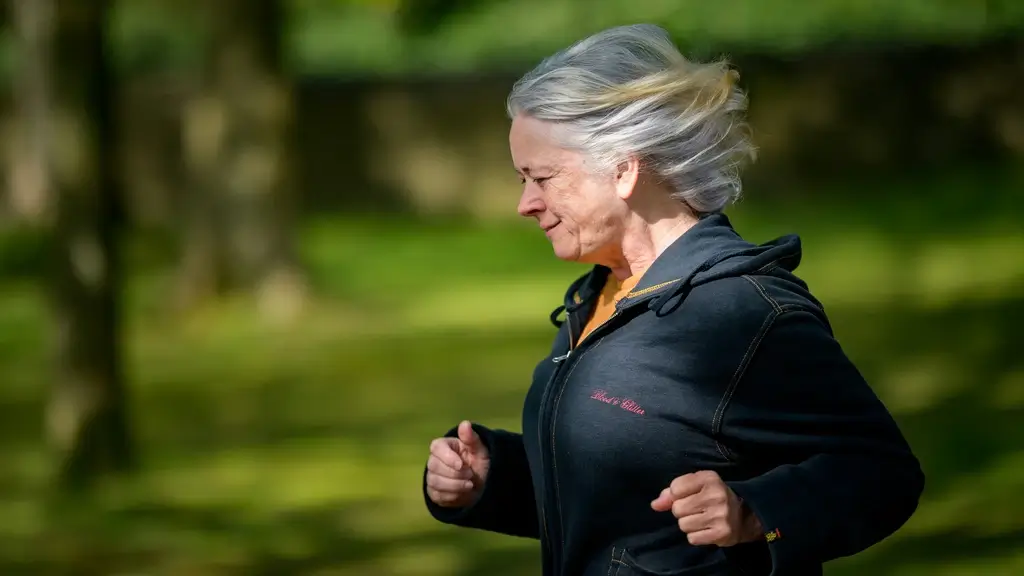
Embrace Regular Exercise
Staying physically active is crucial for maintaining health and vitality as you age. Engaging in regular exercise helps boost your cardiovascular health, improve flexibility, and enhance muscle strength. Aim to incorporate a mix of cardio, strength training, and flexibility exercises into your routine. Activities like walking, swimming, and yoga can be both enjoyable and highly beneficial.
Nourish Your Body with Healthy Foods
Nutrition plays a significant role in active aging. Focus on a balanced diet rich in fruits, vegetables, lean proteins, and whole grains. These foods provide essential nutrients that support bone health, immune function, and energy levels. Don’t forget the importance of hydration; drinking plenty of water is vital for maintaining elasticity in your skin and overall bodily functions.
Prioritize Mental Health
Mental wellness is just as important as physical health. Engage in activities that stimulate your brain, such as reading, puzzles, or learning a new skill like painting or playing a musical instrument. Additionally, consider mindfulness practices like meditation to reduce stress and improve emotional well-being.
Create a Consistent Sleep Routine
Getting enough quality sleep is essential for physical and mental rejuvenation. Try to establish a regular sleep pattern by going to bed and waking up at the same time every day. Create a tranquil sleep environment and avoid screens before bedtime to enhance sleep quality.
Stay Socially Connected
Maintaining strong social connections can improve your mental health and longevity. Participate in community events, join clubs, or volunteer for causes that matter to you. Building and nurturing relationships can provide purpose and joy in your day-to-day life.
Listen to Your Body
As you age, it becomes increasingly important to pay attention to bodily cues. Schedule regular health screenings and check-ups with your healthcare provider to monitor your health. Don’t ignore symptoms, no matter how minor they may seem. Early detection of health issues can be crucial in managing them effectively.
Incorporate Relaxation Techniques
Relaxation helps reduce stress and promotes a sense of well-being. Techniques like deep-breathing exercises, yoga, or tai chi can be integrated into your daily routine. Practicing these can improve your mood, encourage mindfulness, and enhance your overall quality of life.
Engage in Lifelong Learning
Keeping your mind active through lifelong learning is another key aspect of active aging. Whether it’s enrolling in a course, attending workshops, or simply reading extensively, learning keeps your mind sharp and engaged. Explore subjects that interest you and expand your knowledge continually.
Personalize Your Self-Care
Self-care looks different for everyone. Find activities or routines that you genuinely enjoy and make time for them regularly. Whether it’s gardening, dancing, or spending time with family, prioritize activities that bring you happiness and fulfillment.
Adopt a Positive Mindset
A positive attitude can significantly impact your aging process. Focus on the things you are grateful for and maintain an optimistic outlook on life. Challenges may arise, but confronting them with a positive mindset can help you overcome them more effectively.








Discussion about this post