



Bloating can be uncomfortable and even distressing, interfering with your daily activities and mood. Many experience this digestive woe, often happening after meals or due to lifestyle habits. Here are ten effective ways to reduce bloating and feel better.
1. Watch Your Portions
Eating large meals might give you more than just satisfaction—it can stretch your stomach beyond its natural capacity, causing bloating. Try eating smaller, more frequent meals throughout the day. This approach can prevent your stomach from expanding too much, keeping potential bloating at bay.
2. Stay Hydrated
Drinking enough water is critical to preventing bloating. When you’re adequately hydrated, your body is less likely to retain water, which can contribute to bloating. Try to drink at least eight 8-ounce glasses of water daily and more if you are active or live in a hot climate.
3. Cut Down on Salt
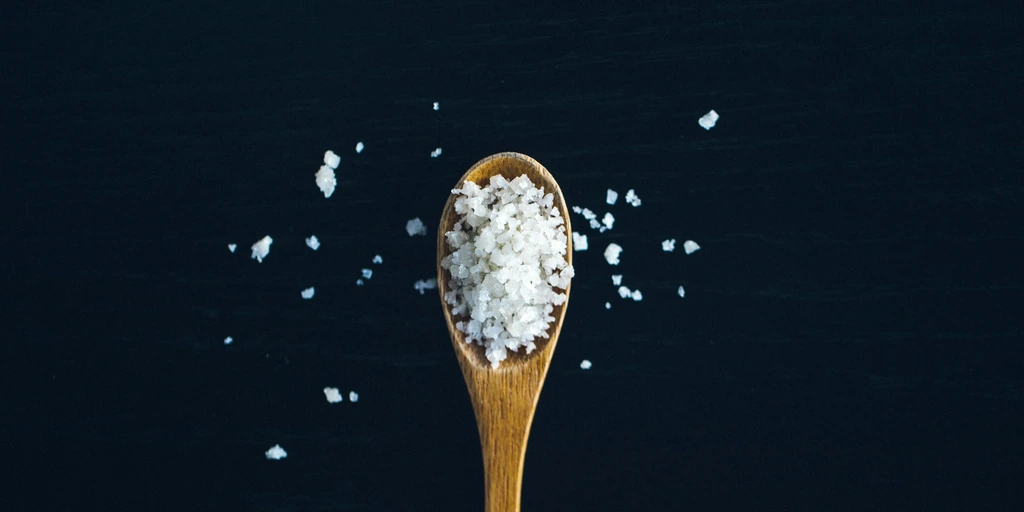
High sodium intake can cause water retention. When there’s too much sodium in your body, it holds onto water to maintain a balanced state, leading to bloating. Consider replacing salt with herbs and spices, and check labels for sodium content to help manage your intake effectively.
4. Move Your Body
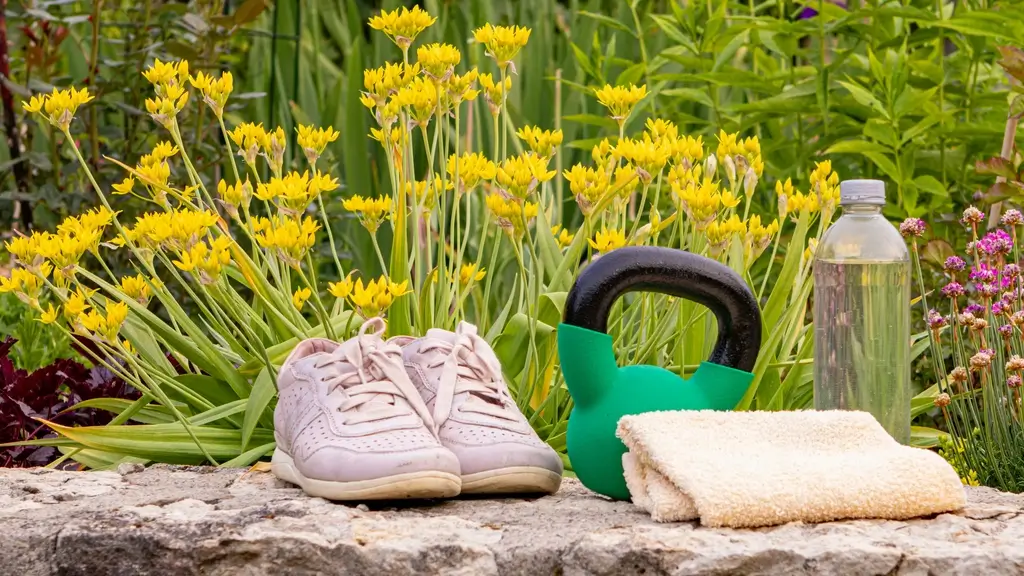
Physical activity can help move the gas through your digestive system, relieving bloating. Even light exercises like walking or yoga can significantly reduce discomfort. Aim for at least 30 minutes of moderate activity daily to keep your digestive system in good shape.
5. Identify Food Intolerances
Some people experience bloating due to food intolerances, like lactose or gluten. If you suspect certain foods are causing issues, consider keeping a food diary to pinpoint the culprits. Consulting with a healthcare professional can also provide personalized advice based on your dietary needs.
6. Eat Mindfully
Eating in a rush can lead to swallowing air along with your food, which may cause bloating. Slow down, savor each bite, and chew thoroughly. Mindful eating also allows you to better connect with your hunger signals, preventing overeating.
7. Avoid Carbonated Drinks
Carbonated beverages, such as sodas and sparkling water, contain gases that can fill your gut, leading to bloating. Opt for still water or herbal teas instead to quench your thirst without the added bubbles.
8. Include Probiotics in Your Diet
Probiotics are beneficial bacteria that support a healthy gut. They can aid in digesting food and improving overall digestion, which may decrease bloating. Foods like yogurt, kefir, and fermented products like sauerkraut or kimchi are good sources of probiotics.
9. Be Cautious with Artificial Sweeteners
Artificial sweeteners like sorbitol and other sugar alcohols can ferment in the digestive tract, causing gas and bloating. Check the ingredients list in sugar-free products and opt for natural sweeteners, or eliminate them altogether if they trigger bloating for you.
10. Relax and Destress
Stress can wreak havoc on your gut health, slowing down digestion and causing bloating. Techniques such as deep breathing, meditation, and gentle exercise can help reduce stress levels. Making time for relaxation in your daily routine can positively impact your digestive health.
Understanding and implementing these strategies can lead to a significant reduction in bloating, helping you feel more comfortable and confident throughout your day.









Discussion about this post